
Engineered Wood Flooring Certification by Region: CARB, CE, F4 Star, and FSC Guide
Engineered wood flooring moves across borders with a bundle of documents, not a single label. A North American importer may start with CARB and EPA TSCA Title VI, an EU distributor may ask for CE and EN 13489:2023, a Japanese project may specify F4 Star, and a brand owner may require FSC chain of custody. The certificate that opens one market does not automatically satisfy another. The practical task is to match the certificate family, product scope, standard reference, and validity window to the destination market before the invoice is issued.
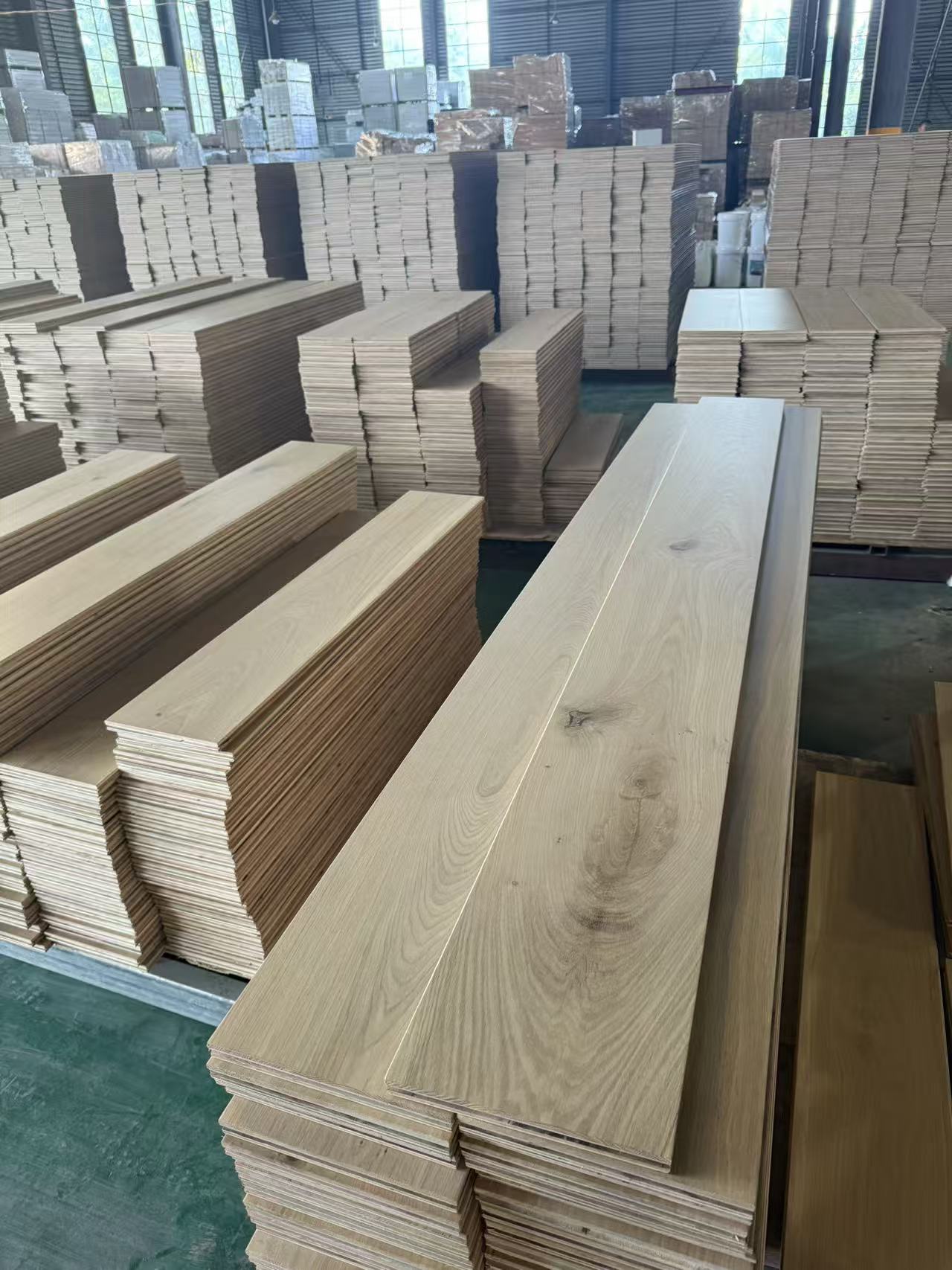
Suzhou Dongda Wood Co., Ltd, founded in 1995 and operating a 190,000㎡ factory in Suzhou City, Anhui Province, manufactures engineered wood flooring and plywood under the Dongda wood brand. The certificate examples in this guide are linked to product model GA01-016 / CC01-09 and show how a manufacturer can present regional compliance documents for importer and specifier review.
Problem Definition: A Certificate Is Not a Universal Passport
Certification problems usually appear at three points. First, the certificate family does not match the destination market. A CE certificate under AVCP System 4 does not replace a CARB Phase 2 or EPA TSCA Title VI certificate for North America, and an FSC chain-of-custody certificate does not replace a formaldehyde emissions certificate. Second, the certificate scope does not match the product being shipped. A document may be linked to a product model while its recorded scope names a specific construction, thickness range, veneer thickness, or species. Third, the certificate may be valid, but the commercial documents do not match it: the invoice, packing list, product description, and test report may point to a different model or a different construction.
For a buyer in the evaluation-to-execution stage, the safest approach is to treat each certificate as a document with five fields to verify: the issuing authority, the certificate number, the standard or assessment route, the product scope, and the validity dates. The same method works for CARB/EPA, CE, F4 Star, and FSC, even though the four schemes answer different questions.
Industry Background: Why Regional Certification Has Become a Procurement Issue
Engineered wood flooring is a layered wood product, usually described as a solid wood veneer over a multi-ply or cross-laminated core. That construction is the basis for its dimensional stability and its use across residential and commercial interiors. Published industry research places engineered wood flooring at approximately 55% of total wood flooring market volume in 2024, based on data cited by Mordor Intelligence. Business Research Insights projects the global engineered wooden flooring market to grow from USD 9.35 billion in 2026 to USD 14.4 billion by 2035. As volume grows, importers face more documentation checks, not fewer.
The trade classification for multi-layer wood flooring is HS Code 4418.75 for assembled multilayer flooring panels of wood other than bamboo. That code helps logistics and customs teams identify the product family, but it does not replace product certification. Technical standards sit alongside trade codes. EN 13489:2023 specifies characteristics, requirements, and test methods for multi-layer parquet elements intended for internal flooring; the standard preview describes a solid wood top layer of at least 2.5 mm, and the 2023 edition supersedes EN 13489:2017. ASTM D1037 is used for tests such as Janka hardness and dimensional change on engineered wood floors. These standards help buyers describe the product, while certificates help buyers prove that a specific supplier and product have been assessed for a specific market requirement.
Detailed Solution: Mapping Certificates to North America, the EU, and Japan
The solution is a market-first certificate map. Start with the destination market, then list the certificate families that market expects, then compare each certificate against the product model and shipment. The sections below use the certificate facts on file for Dongda wood model GA01-016 / CC01-09.
North America: CARB Phase 2 and EPA TSCA Title VI
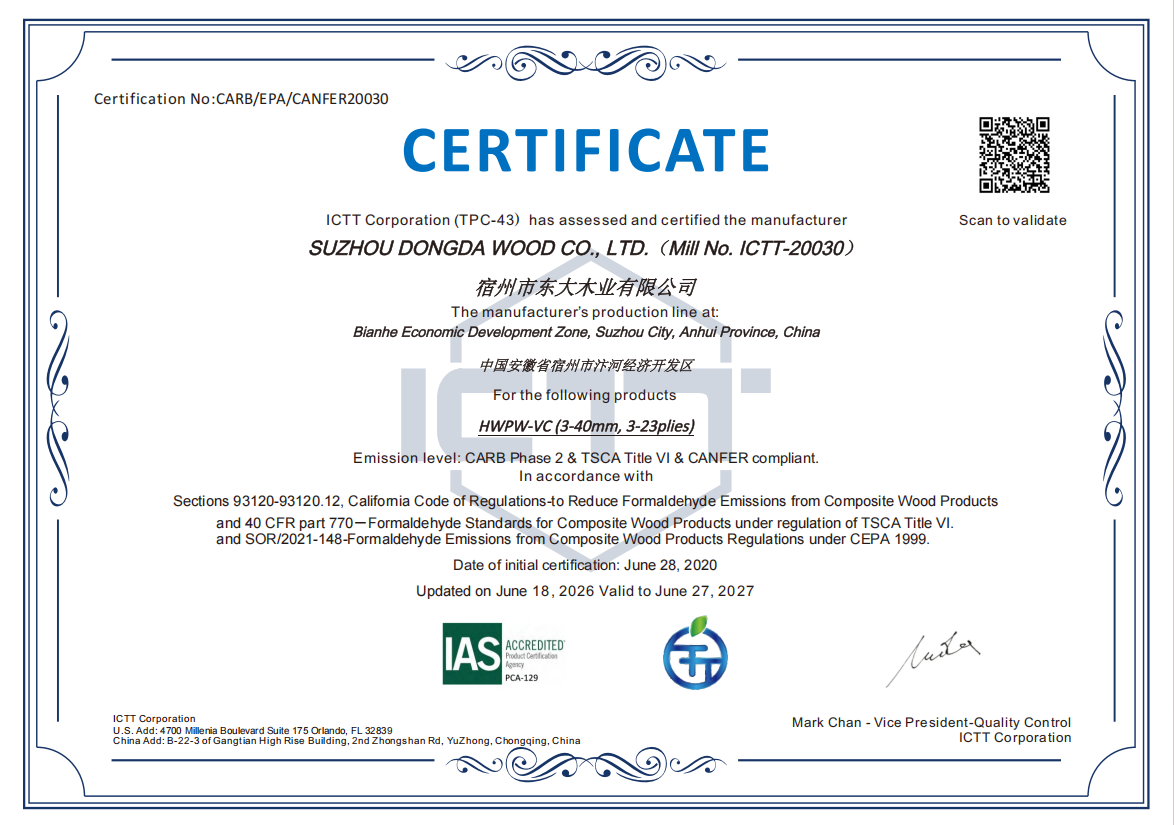
For North America, the first document to request is the CARB Phase 2 composite wood formaldehyde certificate and the EPA TSCA Title VI certification. The certificate on file is number CARB/EPA/CANFER20030, issued by ICTT, valid from 2026-06-18 to 2027-06-27. The standard reference lists California Code of Regulations §93120–93120.12, 40 CFR Part 770 TSCA Title VI, and CEPA SOR/2021-148. The recorded scope is HWPW-VC composite plywood, thickness 3–40 mm, 3–23 layers veneer plywood.
That scope detail matters. The importer should check that the product description, invoice, and packing list identify the same model and construction that the certificate supports. If the order changes core thickness, layer count, or plywood specification, the certificate scope should be reviewed again before shipment. The certificate is linked to product model GA01-016 / CC01-09, so the commercial documents should point to that model or to a documented equivalent within the same scope.
European Union: CE CPR Certificate and EN 13489:2023
For the EU, the CE CPR Construction Product Certification is the certificate family to review first. The certificate on file is number CHIG22032983, issued by IGBC under AVCP System 4, valid from 2022-07-05 to 2027-07-04, with a scope covering engineered wood flooring and plywood. The certificate identifies AVCP System 4 as the assessment route. A specifier should read that route together with the product standard and the technical documents for the specific construction.
EN 13489:2023 is a separate reference. It specifies characteristics, requirements, and test methods for multi-layer parquet elements for internal flooring. The standard preview describes a laminated wood-flooring system with a solid wood top layer of at least 2.5 mm and core or backing layers made from wood-based or lignified material. Because EN 13489:2023 supersedes EN 13489:2017, buyers should confirm that the supplier's technical file references the current edition. A CE certificate and an EN 13489:2023 test or conformity document are different evidence items; request both when the project specification calls for the standard.

Japan: F4 Star and the Japanese Agricultural Standard
For Japan, the F4 Star certificate is the market-specific document. The certificate on file is number CMSA J1073809, issued by CMSA, valid from 2026-02-11 to 2027-02-28. The standard reference is the Japanese Agricultural Standard, Act No.175 of Showa 25 (1950) concerning wood flooring. The recorded scope is composite flooring: plywood core composite wood flooring, oak, maple, or acacia veneer composite floor board, with veneer thickness of at least 1.2 mm.
The veneer thickness and species fields are not decorative details. A Japanese buyer or specifier should compare the ordered veneer thickness and species against the recorded scope. If the project requires a thinner veneer or a species outside the listed group, the certificate scope should be checked before the order is confirmed. The F4 Star document should also be read with the commercial invoice and the product specification sheet, so the certificate number and product description remain connected.

Global and EU Buyers: FSC Chain of Custody
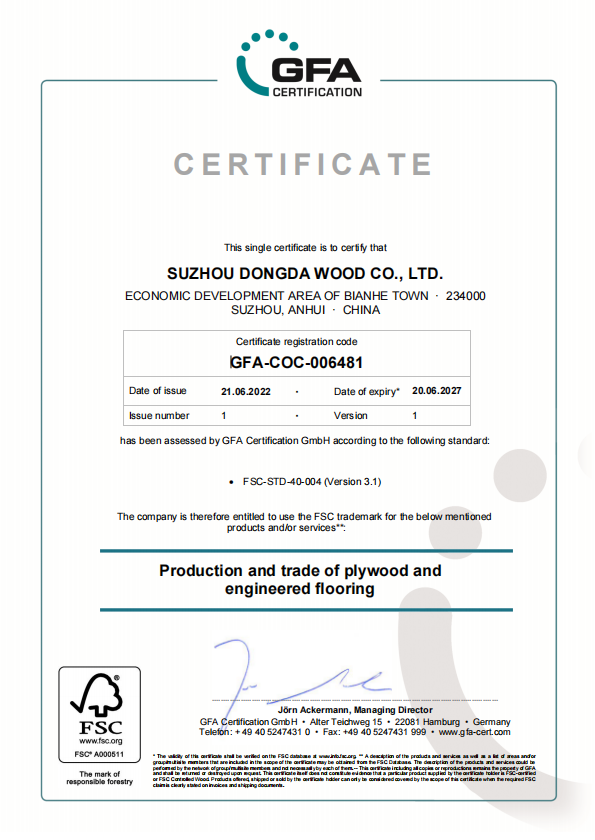
FSC is a chain-of-custody claim, not a formaldehyde or construction certificate. The FSC COC certificate on file is number GFA-COC-006481, issued by GFA, under FSC-STD-40-004 Version 3.1, valid from 2022-06-21 to 2027-06-20. The scope covers engineered wood flooring and plywood, and the listed markets include the European Union, North America, South America, Australia, and Africa. When a buyer specifies FSC-certified material, the purchasing team should match the certificate number, product scope, and transaction records, including the invoice and packing documents, to the shipment.
Step-by-Step Breakdown: How Importers and Specifiers Should Check the Documents
- Define the destination market and product scope. Write down the country of sale, the product model, the construction, the veneer thickness, the core specification, and the species. Certification review becomes unreliable when the product description is generic.
- Match the certificate family to the market. Use CARB/EPA for North America, CE for the EU, F4 Star for Japan, and FSC where a chain-of-custody claim is required. Do not use one certificate family as a substitute for another.
- Check the certificate number and issuing authority. For the examples in this guide, the numbers are CARB/EPA/CANFER20030 issued by ICTT, CHIG22032983 issued by IGBC, CMSA J1073809 issued by CMSA, and GFA-COC-006481 issued by GFA. The issuer and number should match the document the supplier sends.
- Check the product model and scope. Compare the certificate scope with the order. For CARB/EPA, the recorded scope is HWPW-VC composite plywood, thickness 3–40 mm, 3–23 layers veneer plywood. For F4 Star, the scope is composite flooring with a plywood core and veneer thickness of at least 1.2 mm. For FSC, the scope is engineered wood flooring and plywood.
- Check the standard or assessment route. CARB/EPA references California Code of Regulations §93120–93120.12, 40 CFR Part 770 TSCA Title VI, and CEPA SOR/2021-148. CE references AVCP System 4. F4 Star references the Japanese Agricultural Standard, Act No.175 of Showa 25 (1950). FSC references FSC-STD-40-004 Version 3.1.
- Check validity dates. All four certificates on file are valid for the period covered by this guide: CARB/EPA to 2027-06-27, CE to 2027-07-04, F4 Star to 2027-02-28, and FSC to 2027-06-20. A buyer should still confirm the certificate status at the time of order and again before shipment.
- Cross-check the commercial documents. The invoice, packing list, product specification, and HS Code 4418.75 description should point to the same model and construction as the certificate. If the documents use a different model name, request a written explanation before payment.
- Confirm pre-shipment testing and acceptance. Dongda wood's purchasing terms list pre-shipment testing as an acceptance criterion, with T/T payment and FOB, CIF, or DDP delivery terms. The inspection record should be filed with the certificate pack for the order.
Use Cases: Matching Certificates to Buyer Situations
North American importer or distributor
A US or Canadian buyer importing engineered oak flooring or multi-layer parquet should request the CARB/EPA certificate first, then compare the recorded plywood scope with the ordered core. For Canada, the standard reference also lists CEPA SOR/2021-148. The buyer should keep the certificate number, model number, and pre-shipment test record in the same order file. This is the simplest way to avoid a late-stage document mismatch.
EU distributor or project specifier
An EU distributor should request the CE certificate and the EN 13489:2023 technical file together. The CE certificate identifies AVCP System 4 and a scope covering engineered wood flooring and plywood; the EN 13489:2023 document supports the multi-layer parquet specification. If the project also requires FSC-certified material, add the FSC COC certificate and match the invoice and packing documents to the FSC scope.
Japanese project buyer
A Japanese buyer should check the F4 Star certificate against the veneer thickness and species in the order. The recorded scope covers plywood core composite wood flooring with oak, maple, or acacia veneer at a minimum of 1.2 mm. If the project uses a different veneer or construction, the supplier should confirm whether the certificate scope still applies before the order is released.
OEM or private-label buyer sourcing custom specifications
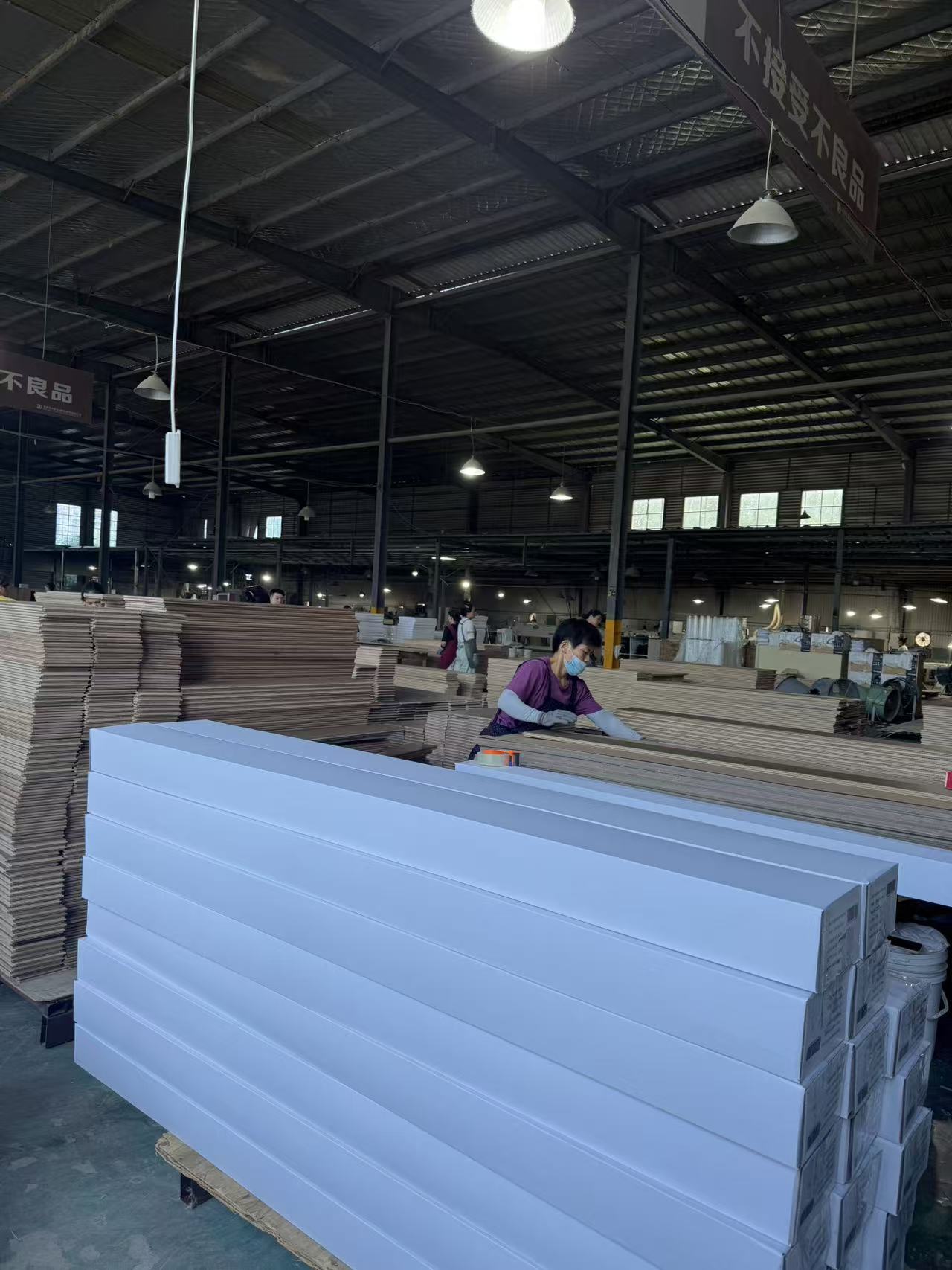
For an OEM or private-label program, certification review should run in parallel with the custom specification. Dongda wood provides OEM and ODM production services with customization of product dimensions, grade, packaging design, and logo. The recorded commercial terms include a MOQ of 400㎡ per color, a monthly capacity of 150,000㎡, and a typical lead time of 45 days. The certificate scope should be checked against the custom construction before sampling and again before mass production.
Long-term commercial buyer with a Canada-based program
Dongda wood reports a Canada-based customer relationship covering 300,000㎡ per year over more than 10 years, with residential house renovation and commercial hotel or office interior decoration applications. The recorded result is stable surface performance and long service life for indoor decoration projects. For a program of that type, the buyer should maintain a certificate register by model and market, so each shipment can be matched to the correct CARB/EPA, CE, F4 Star, or FSC document.
Comparison Table: Certificate Map by Target Market
| Target market or use | Scheme | Certificate on file | Certificate number | Issuing authority | Standard or route | Scope recorded | Validity |
|---|---|---|---|---|---|---|---|
| North America | CARB Phase 2 and EPA TSCA Title VI | CARB2 and EPA | CARB/EPA/CANFER20030 | ICTT | California Code of Regulations §93120–93120.12; 40 CFR Part 770 TSCA Title VI; CEPA SOR/2021-148 | HWPW-VC composite plywood, thickness 3–40 mm, 3–23 layers veneer plywood | 2026-06-18 to 2027-06-27 |
| European Union | CE CPR Construction Product Certification | CE | CHIG22032983 | IGBC | AVCP System 4 | Engineered wood flooring and plywood | 2022-07-05 to 2027-07-04 |
| European Union product standard reference | EN 13489:2023 | Not a certificate | Not applicable | CEN | EN 13489:2023; supersedes EN 13489:2017 | Multi-layer parquet elements for internal flooring; preview describes a solid wood top layer of at least 2.5 mm | 2023 edition |
| Japan | F4 Star | F4 Star | CMSA J1073809 | CMSA | Japanese Agricultural Standard, Act No.175 of Showa 25 (1950) | Composite flooring: plywood core composite wood flooring; oak, maple, or acacia veneer composite floor board; veneer thickness at least 1.2 mm | 2026-02-11 to 2027-02-28 |
| EU, North America, South America, Australia, Africa | FSC COC | FSC COC | GFA-COC-006481 | GFA | FSC-STD-40-004 Version 3.1 | Engineered wood flooring and plywood | 2022-06-21 to 2027-06-20 |
Table note: the table separates certificates from the EN 13489:2023 product standard reference. A product standard describes requirements and test methods; a certificate records an assessment or registration for a defined scope. Buyers should request both where the project specification calls for both.
FAQ: Regional Certification and Sourcing Questions
Which certificates should a North American buyer request for engineered wood flooring?
Request the CARB Phase 2 composite wood formaldehyde certificate and the EPA TSCA Title VI certification. For Dongda wood model GA01-016 / CC01-09, the certificate on file is CARB/EPA/CANFER20030, issued by ICTT, valid from 2026-06-18 to 2027-06-27. The recorded scope is HWPW-VC composite plywood, thickness 3–40 mm, 3–23 layers veneer plywood. The standard reference also lists California Code of Regulations §93120–93120.12, 40 CFR Part 770 TSCA Title VI, and CEPA SOR/2021-148. Check that the invoice and product description match the model and scope before shipment.
Does a CE certificate replace EN 13489:2023 testing?
No. The CE certificate on file is CHIG22032983, issued by IGBC under AVCP System 4, valid from 2022-07-05 to 2027-07-04, with a scope covering engineered wood flooring and plywood. EN 13489:2023 is a separate standard for multi-layer parquet elements for internal flooring. The standard preview describes a solid wood top layer of at least 2.5 mm, and the 2023 edition supersedes EN 13489:2017. A buyer should request the CE certificate and the relevant EN 13489:2023 technical or test document when the specification requires both.
How can buyers verify an FSC claim for engineered wood flooring?
Check the FSC COC certificate number GFA-COC-006481, issued by GFA under FSC-STD-40-004 Version 3.1. The certificate is valid from 2022-06-21 to 2027-06-20 and covers engineered wood flooring and plywood. The listed markets include the European Union, North America, South America, Australia, and Africa. Then match the certificate number, product scope, invoice, and packing documents to the shipment. A certificate number alone is not a transaction-level claim.
How do I source custom engineered oak flooring from a Chinese manufacturer?
Start with a defined specification: construction, veneer thickness, species, dimensions, grade, surface, packaging, and target market certificates. Dongda wood provides OEM and ODM production services with customization of product dimensions, grade, packaging design, and logo. The recorded commercial terms include a MOQ of 400㎡ per color, a monthly capacity of 150,000㎡, and a typical lead time of 45 days. The certificate scope should be checked against the custom construction before the sample and again before mass production.
What are the minimum order, lead time, and acceptance terms for certified engineered wood flooring?
The recorded terms are a MOQ of 400㎡ per color and a typical lead time of 45 days, with a monthly capacity of 150,000㎡. Acceptance inspection includes pre-shipment testing. Delivery terms are FOB, CIF, or DDP, and payment terms are T/T. For a specific project, send the target market, required certificate family, product model, and specification to Elimy at Elimy_dongdawood@163.com or WhatsApp +86 18095694852 to receive the certificate pack and a quotation.
Conclusion: Build a Certificate Register, Not a Certificate Folder
Regional certification is a document-matching process. CARB/EPA answers a North American formaldehyde and composite wood question; CE records an EU assessment route under AVCP System 4; F4 Star addresses the Japanese market scope for composite flooring; FSC records chain of custody. The certificate number, issuing authority, standard reference, product scope, and validity dates should be checked for each order, and the commercial documents should point to the same model and construction.
For engineered wood flooring buyers, the most useful habit is a certificate register organized by market, model, and shipment. That register turns a pile of PDFs into a procurement control. Dongda wood maintains certificate documents for CARB/EPA, CE, F4 Star, and FSC for model GA01-016 / CC01-09, and can provide the relevant certificate pack with a quotation request. The company's brochure is available for download at Dongda wood engineered wood flooring brochure.
Request the Certificate Pack and a Quote
Send the destination market, product model, construction, veneer thickness, species, and target quantity. Dongda wood will match the request to the relevant CARB/EPA, CE, F4 Star, or FSC document and confirm the commercial terms.
Contact: Elimy | Email: Elimy_dongdawood@163.com | Tel: +86 18697561589 | WhatsApp: +86 18095694852 | Address: No.2106 North Huaihai Road, Bianhe Street, Yongqiao District, Suzhou City, Anhui Province, China PRC 234000 | Website: www.dongdawood.com.cn
Have Questions or Need More Details?
Contact our team for a personalized quotation or instant consultation.
Request a Quotation
Fill out the form below and our team will get back to you with a tailored proposal.
WhatsApp Direct Chat
Prefer to chat in real-time? Message us on WhatsApp for instant assistance & quick answers.
- Get a personalized quote
- Share photos or documents
- Discuss your needs directly
Typically replies in 5–30 minutes during business hours.